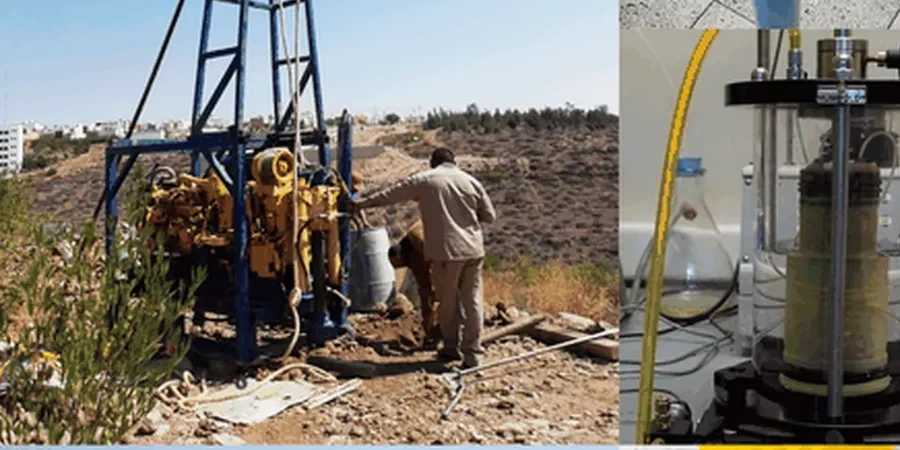
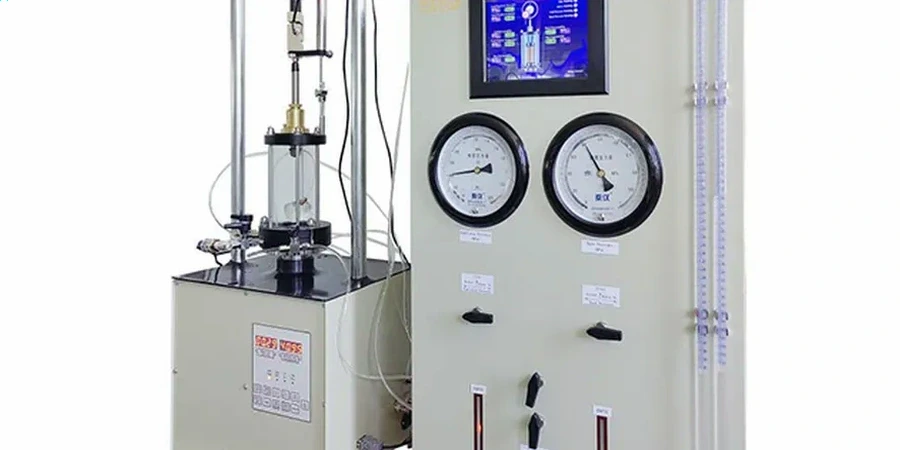
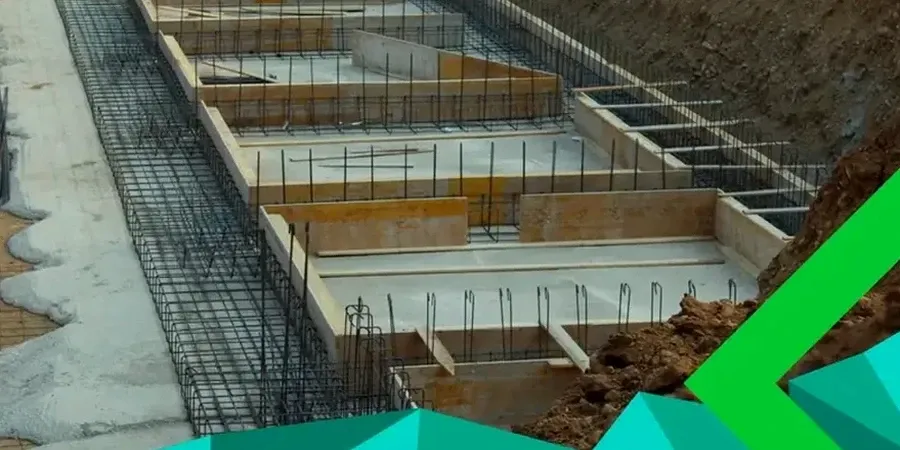
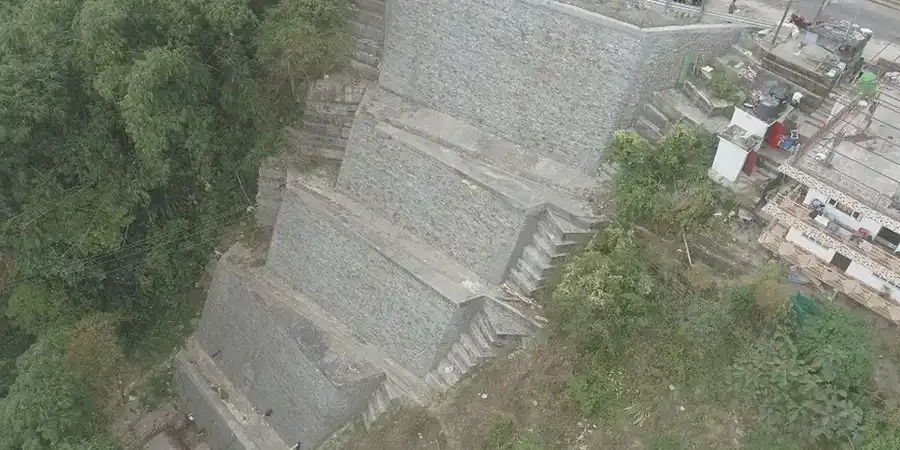
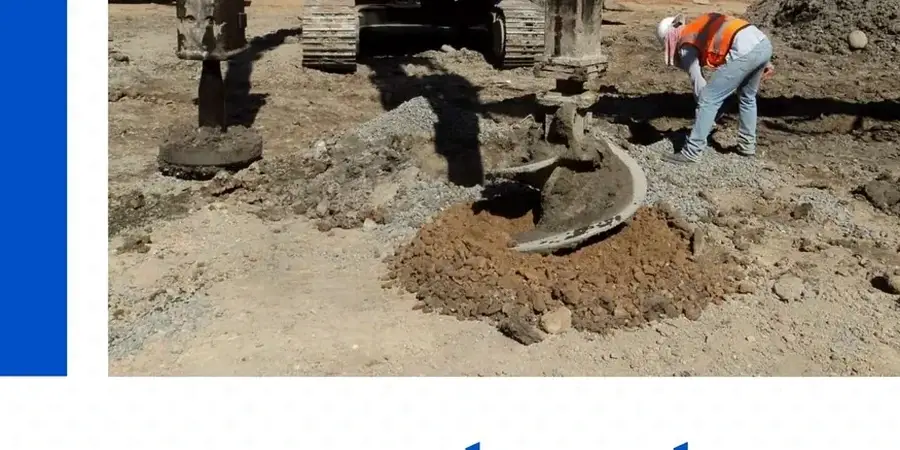
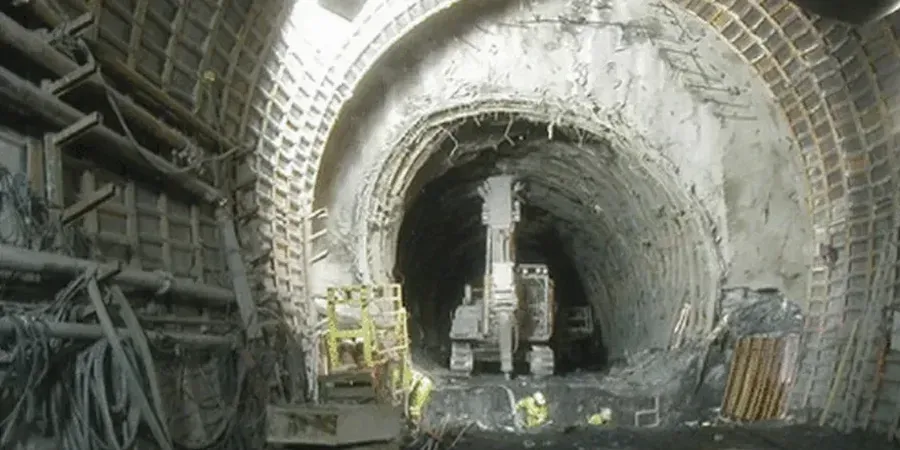
Any foundation design in Madison starts with a solid understanding of what lies beneath the surface. The city sits on a complex glacial landscape — drumlins, moraines, old lakebed deposits from Glacial Lake Yahara — and that means a soil mechanics study isn't just a box to check for the permit office. It's the difference between a foundation that handles freeze-thaw cycles for decades and one that needs remediation in five years. Our lab runs everything under ASTM D1586 for standard penetration tests and ASTM D2487 for soil classification, and we pair that with local knowledge of how these soils behave when the frost line pushes past 48 inches. For sites near the Yahara River or the lakes, where soft organic silts show up in the upper 10 feet, we often recommend supplementing the standard investigation with CPT testing to get a continuous strength profile without disturbing the sample structure. In the isthmus area, where fill materials from the early 1900s still underlie a surprising number of buildings, understanding the consolidation history from a proper soil mechanics study avoids expensive surprises during excavation.
Madison's glacial geology doesn't follow a neat pattern — two borings 50 feet apart can hit completely different soil profiles, and the soil mechanics study has to capture that variability.