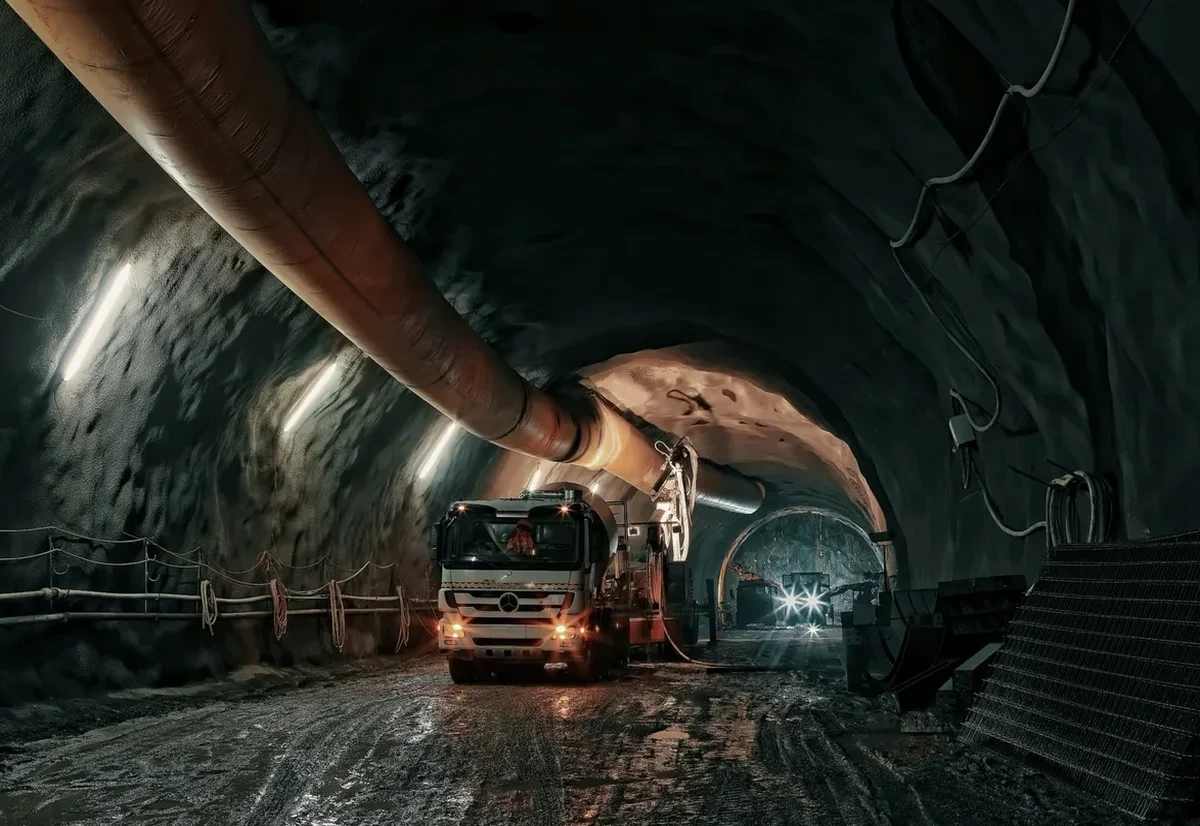
Madison’s growth along the isthmus between Lakes Mendota and Monona created unique underground challenges. The city sits on a thick sequence of glacial lake deposits—soft, compressible clays and silts that make tunneling a delicate operation. When the UW campus expanded its utility corridors or the city planned deeper stormwater storage, standard assumptions failed. You cannot simply copy a tunnel design from bedrock-rich Milwaukee and expect it to work here. The local geology demands a focused geotechnical analysis for soft soil tunnels, one that accounts for low shear strength and the high water table sitting just a few feet below street level. We combine field data with laboratory testing to characterize the Lake Border Moraine materials, ensuring that any tunnel boring machine or sequential excavation method is matched to Madison’s specific subsurface conditions.
Tunneling through Madison’s glacial lake clay without site-specific lab data is like navigating the isthmus without a map—you might get through, but the risk is unnecessary.