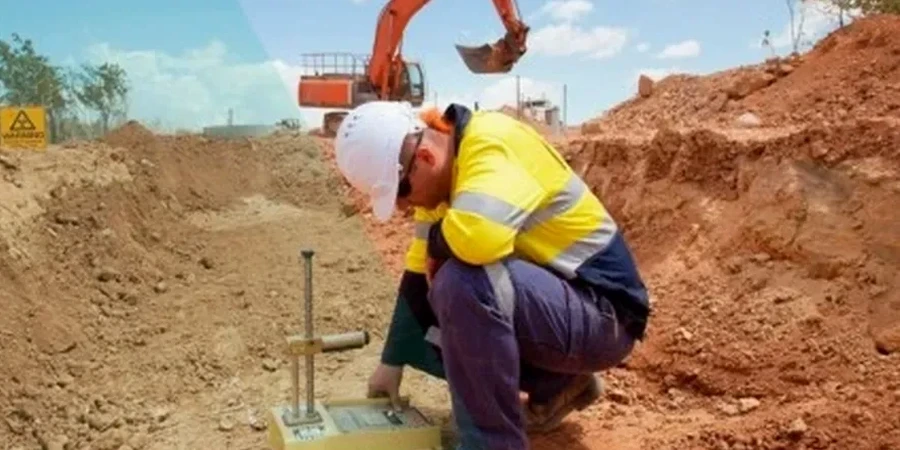
In Madison, the seismic design process demands more precision than simply pulling a value from the ASCE 7 maps. The city sits on a complex quilt of glacial till, outwash sands, and lacustrine clays that can drastically alter ground motion during the infrequent but real seismic events that reach the Midwest. Applying a generic Site Class D without understanding the deep Paleozoic bedrock profile and how it interacts with the overburden is a gamble we see too often. ASHTO and IBC-compliant site-specific seismic refraction surveys, combined with MASW analysis, allow us to move beyond conservative assumptions and tailor the design spectra to the actual stratigraphy beneath your project site, potentially saving significant foundation costs while ensuring resilience.
In Madison, the difference between a generic Site Class D and a site-specific analysis can reduce short-period spectral accelerations by 15 to 25 percent, directly impacting the structural frame cost.