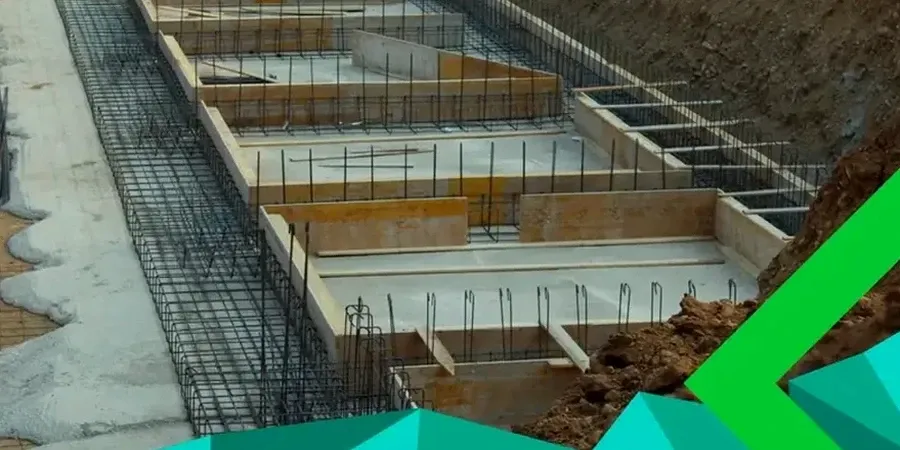
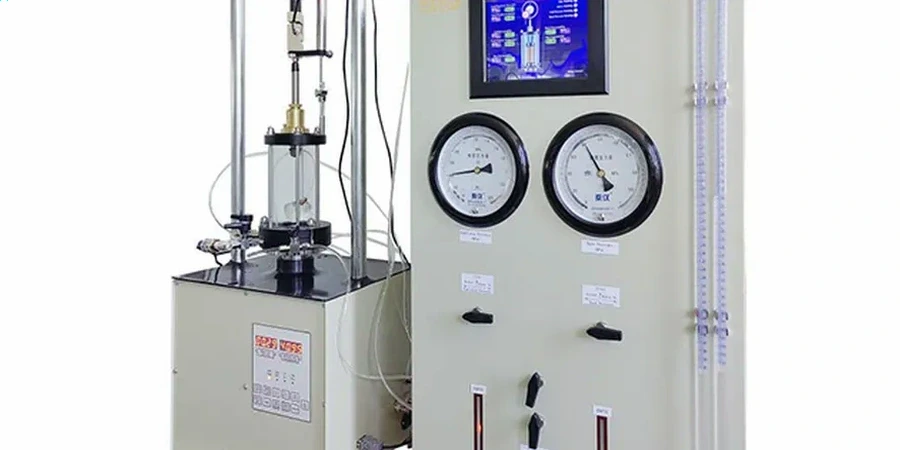
The soil profile shifts dramatically between the Isthmus and the far west side. Near Lake Mendota you hit soft, compressible lacustrine silts, while out by Junction Ridge the weathered sandstone bedrock sits just a few feet down. These contrasts demand more than just index tests. A CPT test can map the layering quickly, but for the actual drained strength that controls how a deep excavation behaves, we run triaxial tests on Shelby tube samples. The data feeds directly into bearing capacity models for footings on the silty clays common across Dane County. Without it, you're guessing on the cohesion intercept, and that guess gets expensive when the glacial till doesn't perform as expected.
A single triaxial test on undisturbed Madison clay gives you the effective friction angle and cohesion intercept—two numbers that replace an entire table of assumed SPT correlations.